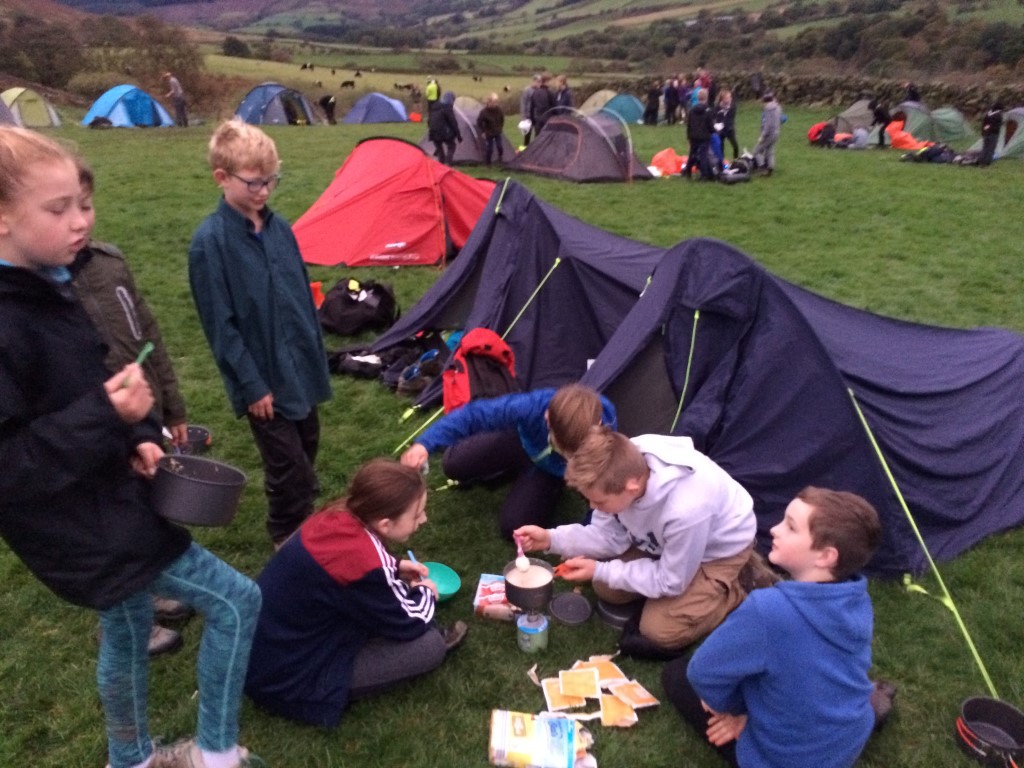
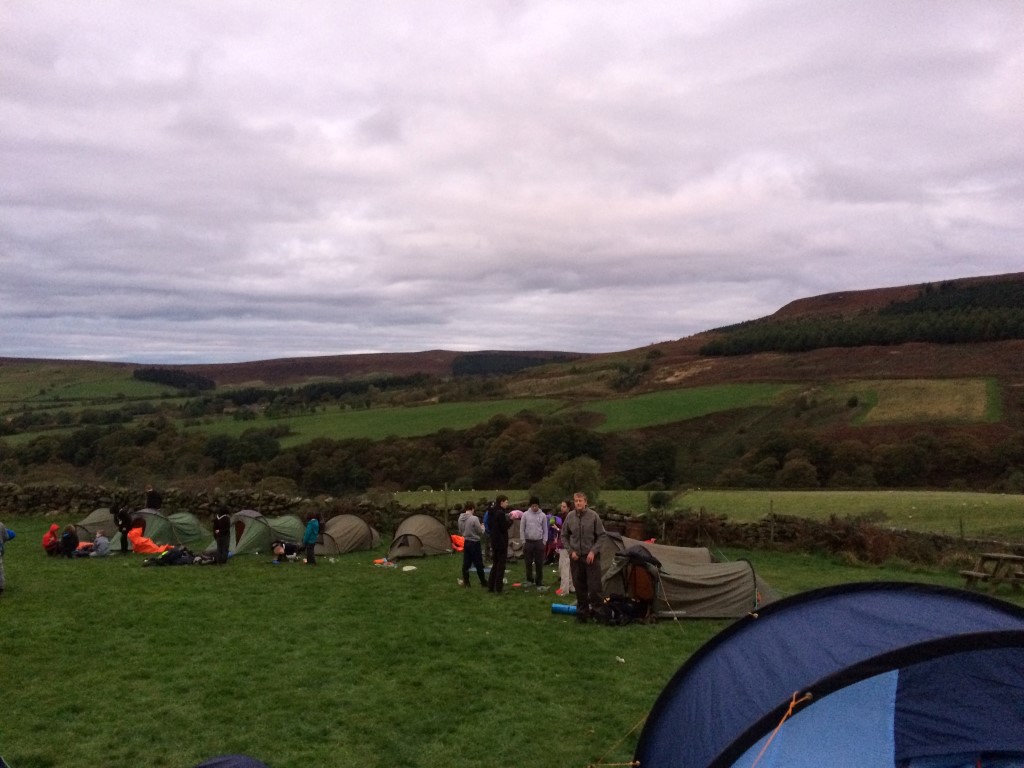
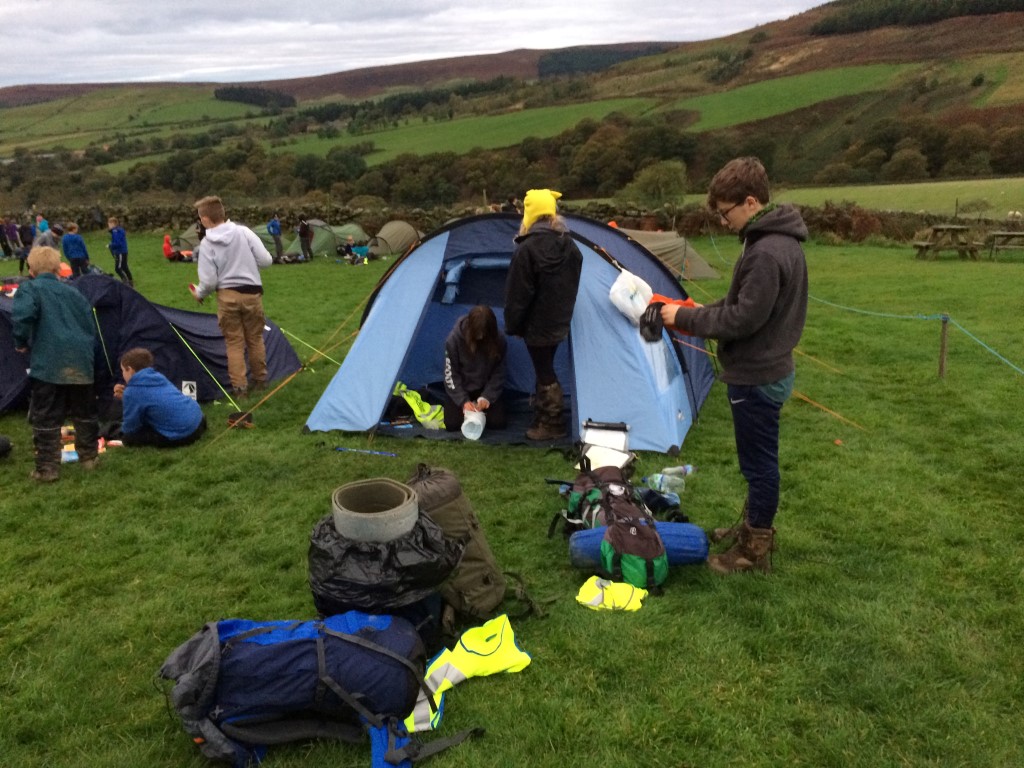
We want everyone taking part in the Fells Marathon to have an enjoyable and rewarding experience, but it is just as important that every team arrives properly prepared and ready to take on the challenge safely. This page explains what to expect when you arrive and outlines the checks and procedures we carry out to make sure everyone is equipped, organised and safe before the event begins.
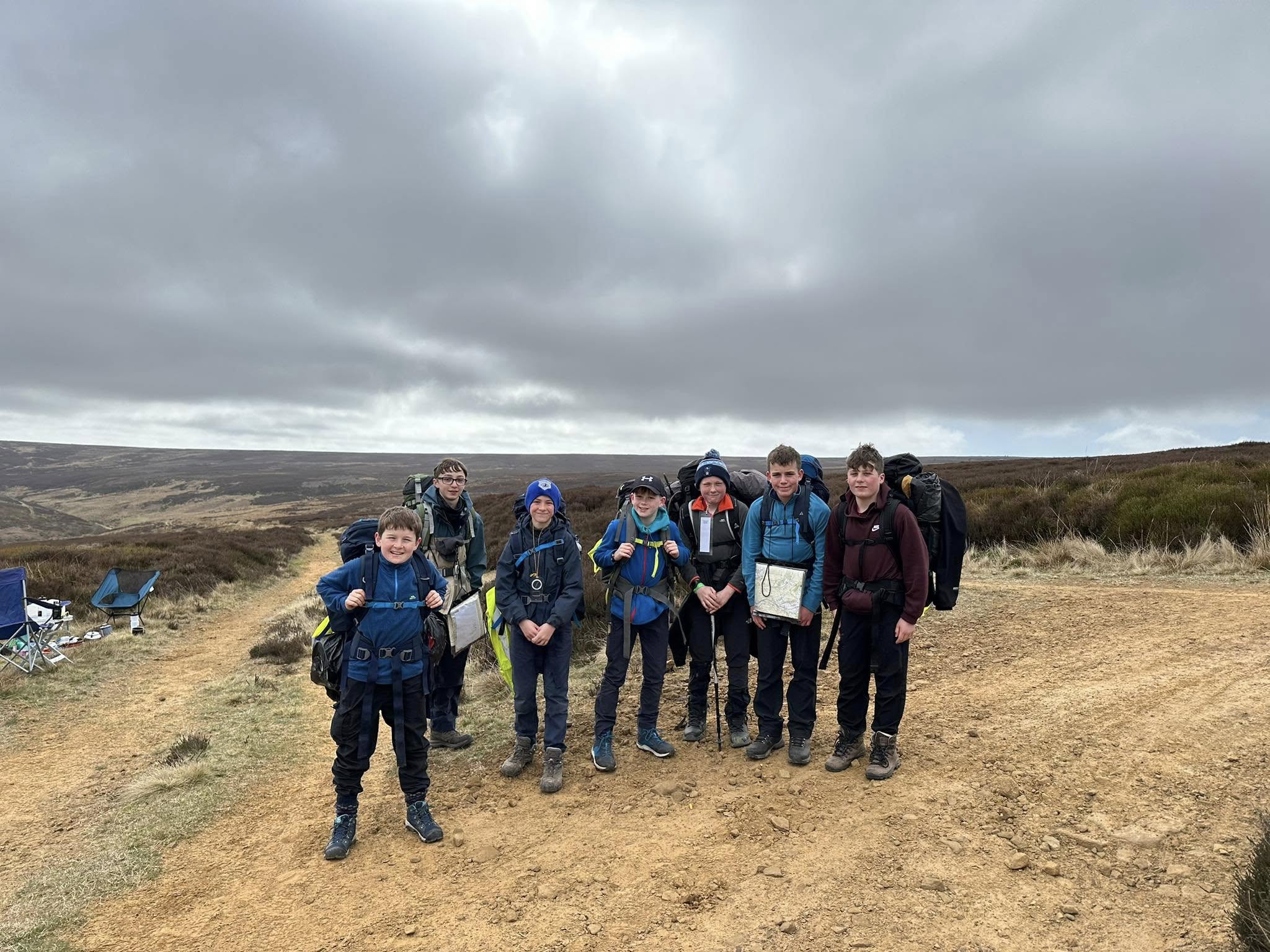
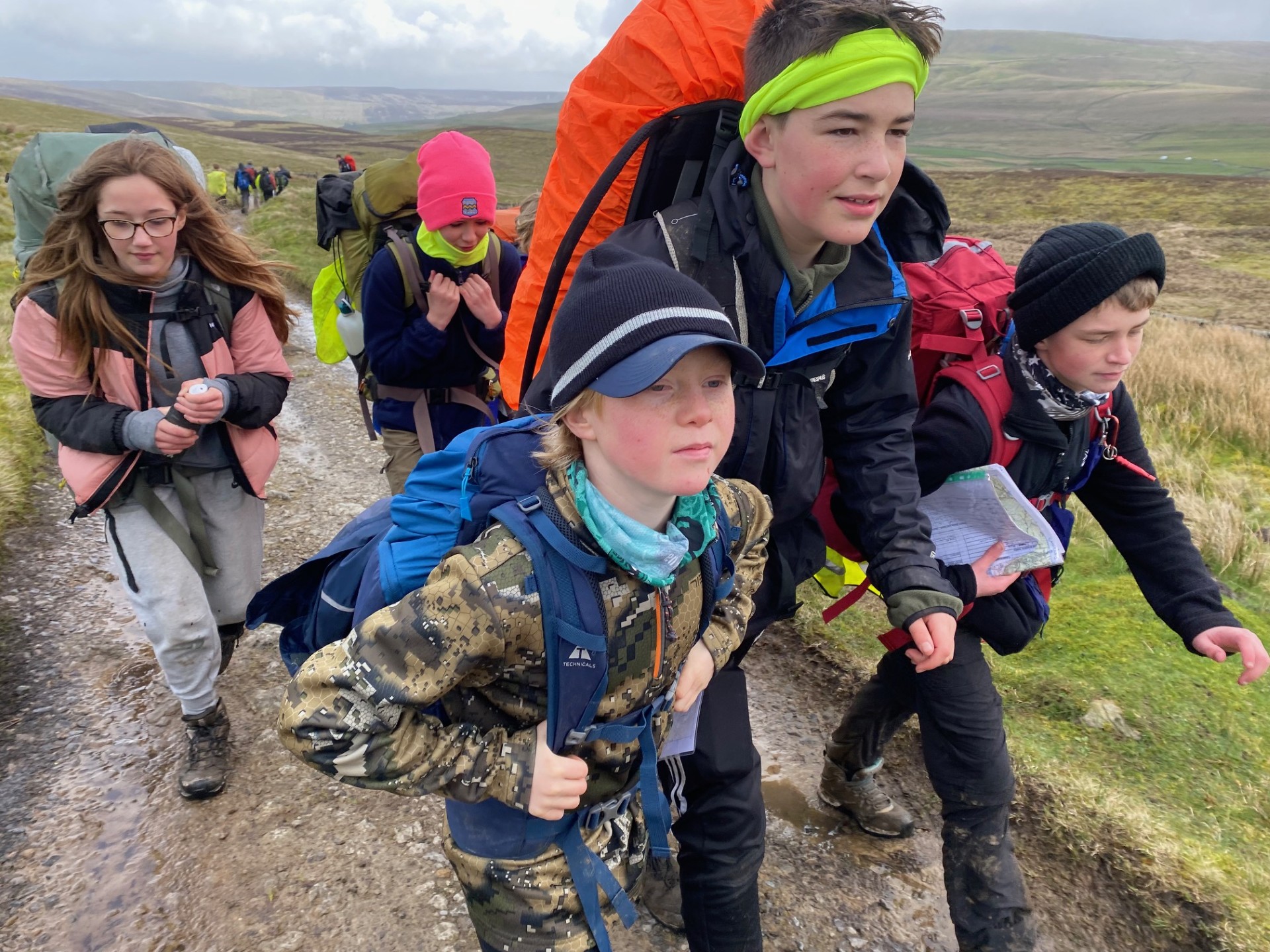
What to Expect When You Arrive
Once you arrive at the Fells Marathon site, please follow any car parking instructions and find a suitable location to set up your camp. As soon as possible after this, all members of the Team, need to check in with the Admin Team. The Leader in charge of your Section, must accompany all of their Teams to check in.

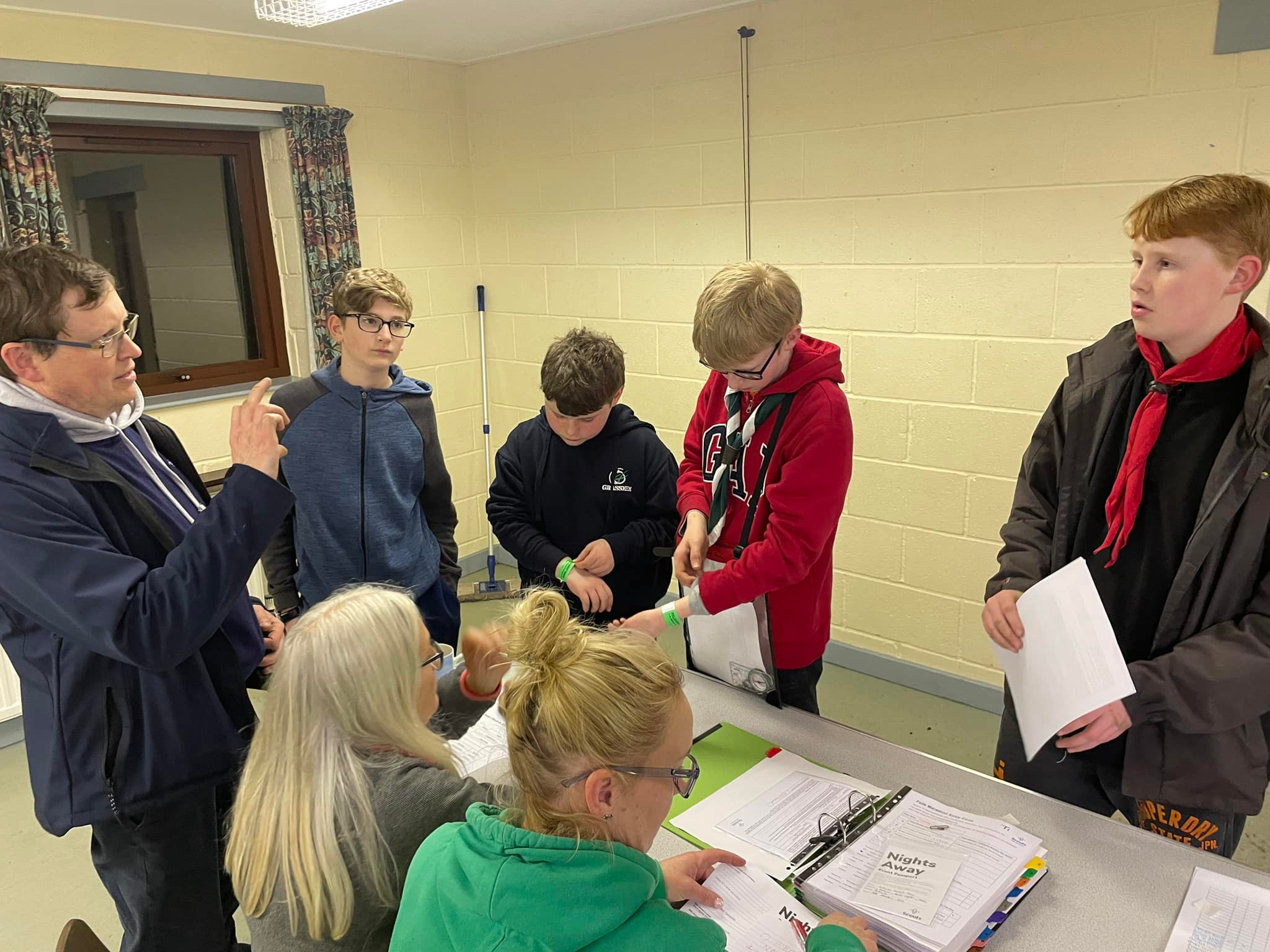
Check-in with the Admin Team
Please ensure you have the following with you, for a smooth check in:
- All Team members – so emergency wristbands can be attached
- The Leader in Charge of your Section
- Team mobile phones and their numbers
- Maps, route cards, compasses, pens/pencils to remark any parts required on your routes
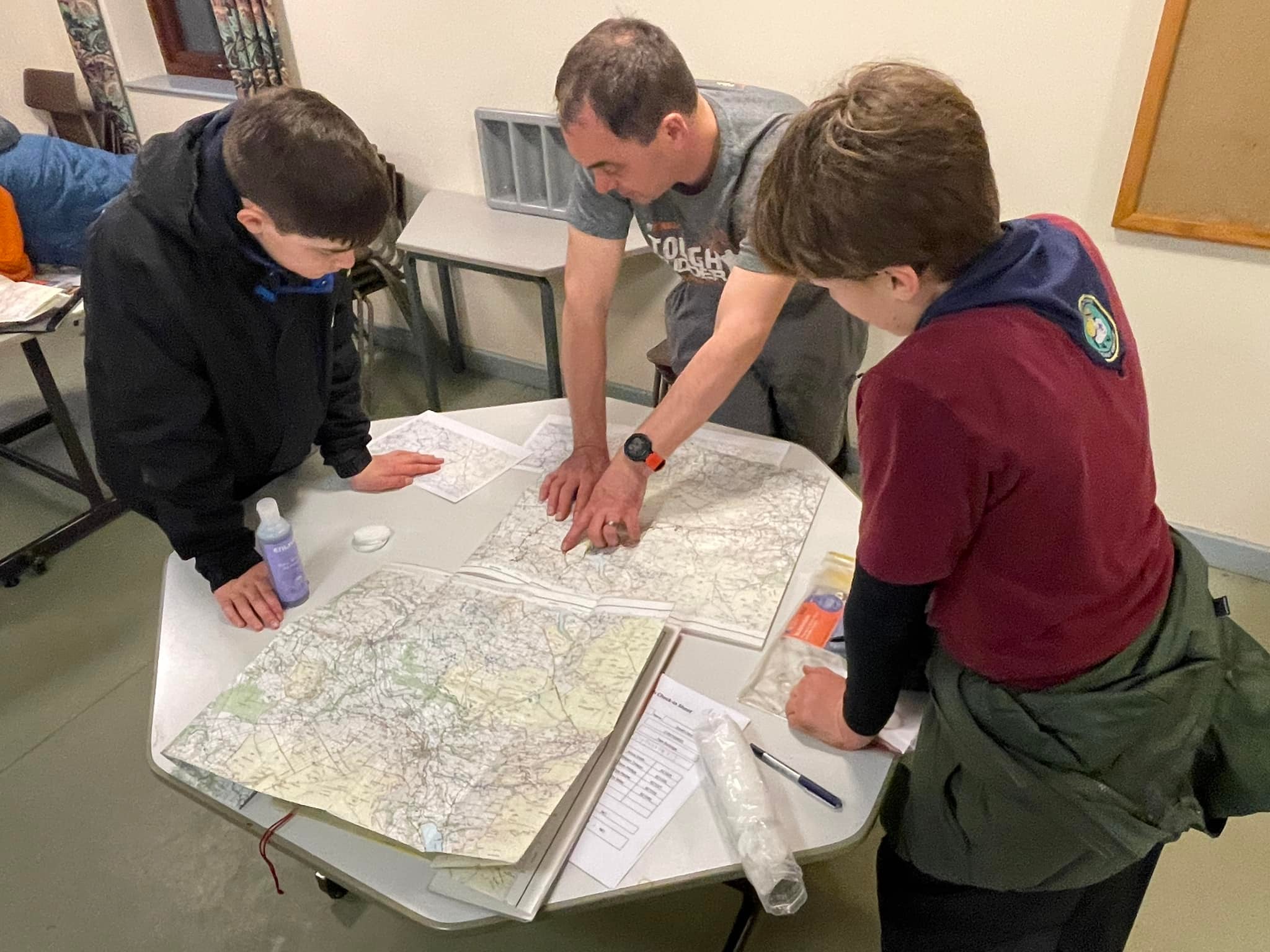
Once Teams have checked in, all members will go through the map control on the Friday night with kit check taking place on the Saturday morning.
The map control and kit check areas are usually reserved for participants and having entered the process are not normally allowed to go back (this ensures we can process all teams as quickly as possible).
Navigation Brief and Map Control
Purpose of Map Control
To help, advise and guide participants so that they have the best chance to succeed and enjoy the event.
To ensure maps are correctly marked so that the participants have firm accurate cornerstones to their navigation reducing the risk of major navigational errors.
To check that participants have an adequate grasp of the picture the map is portraying.
Team organisation.
Map control is carried out by a specially briefed team.
If additional help is needed, this will be noted at Map Control, teams are given guidance and corrective actions which must be completed and signed off before departure.
Standards
2 maps must be shown at map control.
Both maps to have all checkpoints accurately marked.
Checkpoints must be correctly numbered.
Explorer teams must have all Scout Checkpoints marked.
We would recommend that walking routes are marked on as well, but
this is optional and at a Leader’s discretion, based on the experience
of the Team.
There must be no checkpoints or routes from previous events visible on the maps.
Route card timings must be completed and realistic.
Map must have at least 3km buffer between route and edge in case of
navigation error. If laminated copies or Memory Map prints are used then
this requirement can be filled by carrying a full map as backup.
Teams will then be asked to demonstrate the following:
- Describe the whole route in detail, including paths to be taken and why chosen. If they are unable to do this confidently, they will be required by Map Control to add more detail about their route choices, onto their maps and route cards.
- Describe the elevation at various points along the route and whether their chosen paths are going up or down in elevation.
- How to take a bearing of an identified point visible from map control. Teams will need to give this bearing a numerical value in degrees.
The Map Controllers may recommend to the Event Leader that teams which
do not meet the required standard are accompanied by a Leader from
their Group or are not permitted to take part in the event. This
decision is at the absolute discretion of the Event Leader – no
appeals
Tips for Success at Map Control
Prepare fully and carefully in advance. Look carefully at the detail of the route and also at the “big picture” that it shows.
Mark map with 2B pencil for “blackness”, permanence and ease of change.
On laminated maps use permanent OHP pens. These can be erased with nail varnish remover.
Bring an eraser/nail varnish remover pads to map control.
Circle checkpoints, do not use dots as these will obliterate details.
Do not trace routes directly over path as this obliterates details.
We suggest the use of a compass which has magnifying glass and roamer scale.


Kit Check
Purpose of Kit Check
To ensure all Teams are appropriately equipped to undertake the event.
To ensure the safety of all Teams whilst out on the event.
Organisation
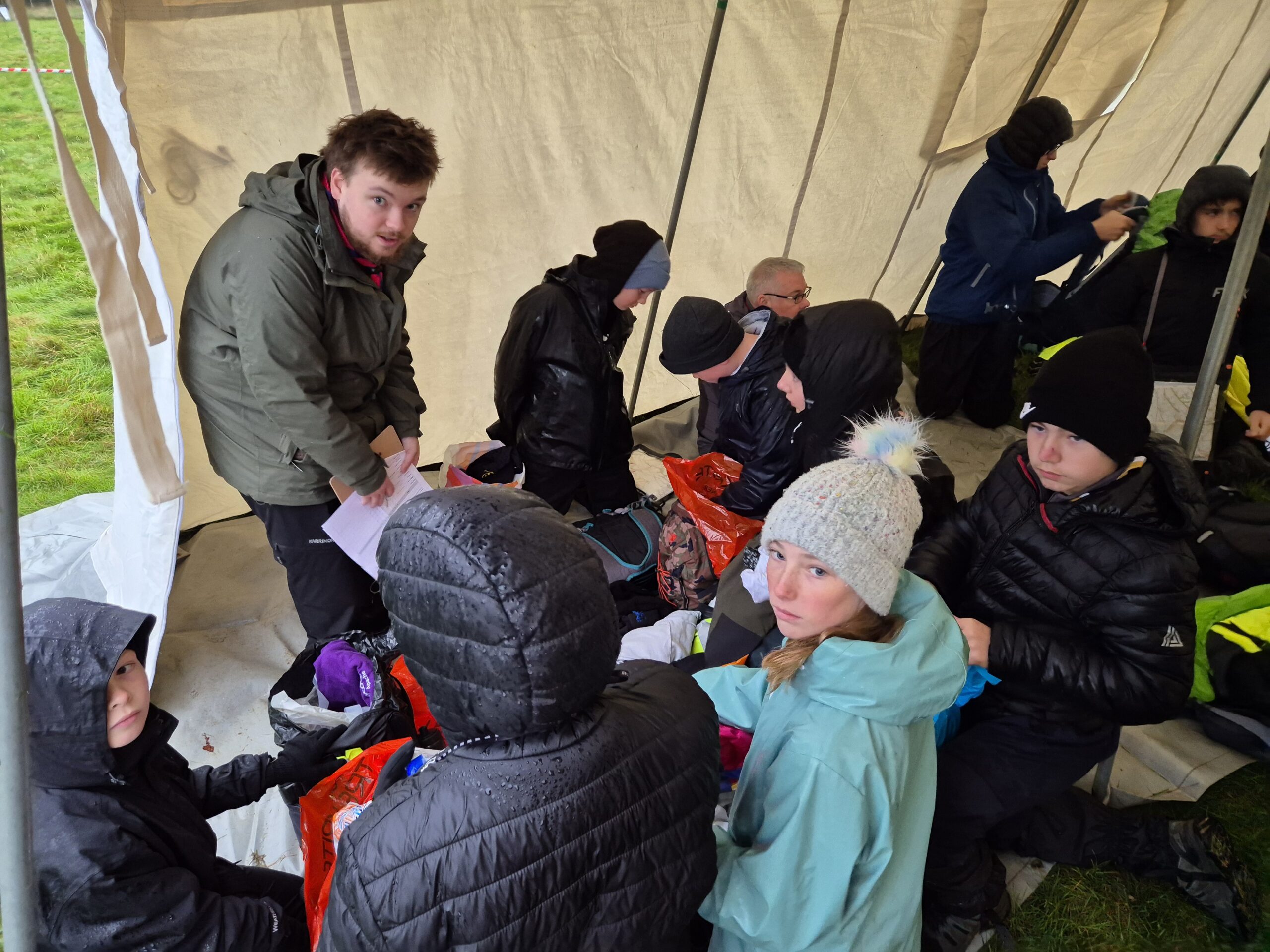
Kit Check is carried out by a specially briefed team, on the Saturday morning.
All Team members rucksacks and each item will be checked in detail –
YES, IT IS ALL TIPPED OUT – do not skimp, your safety depends on it.
The Team have a set of guidelines to follow and if Teams do not meet these, then it is at the discretion of the Event Director as to whether a Team can proceed to the start of the Event.
Standards
Each individual Team member must have all items on the personal kit list.
The Team Kit must be shared out between team members in proportion to size and weight of each person.
Any concerns about a Team’s kit will be shared with the Event Director who will risk assess any issues based on the conditions of the day and the route, before deciding whether a Team can proceed to the start or if any issues need to be rectified first.
Tips for Success at Kit Check
Everything will be asked to be taken out of your bag, so be prepared for this!
Ensure Team members have packed their own bags so they can quickly and correctly re-pack after Kit Check.


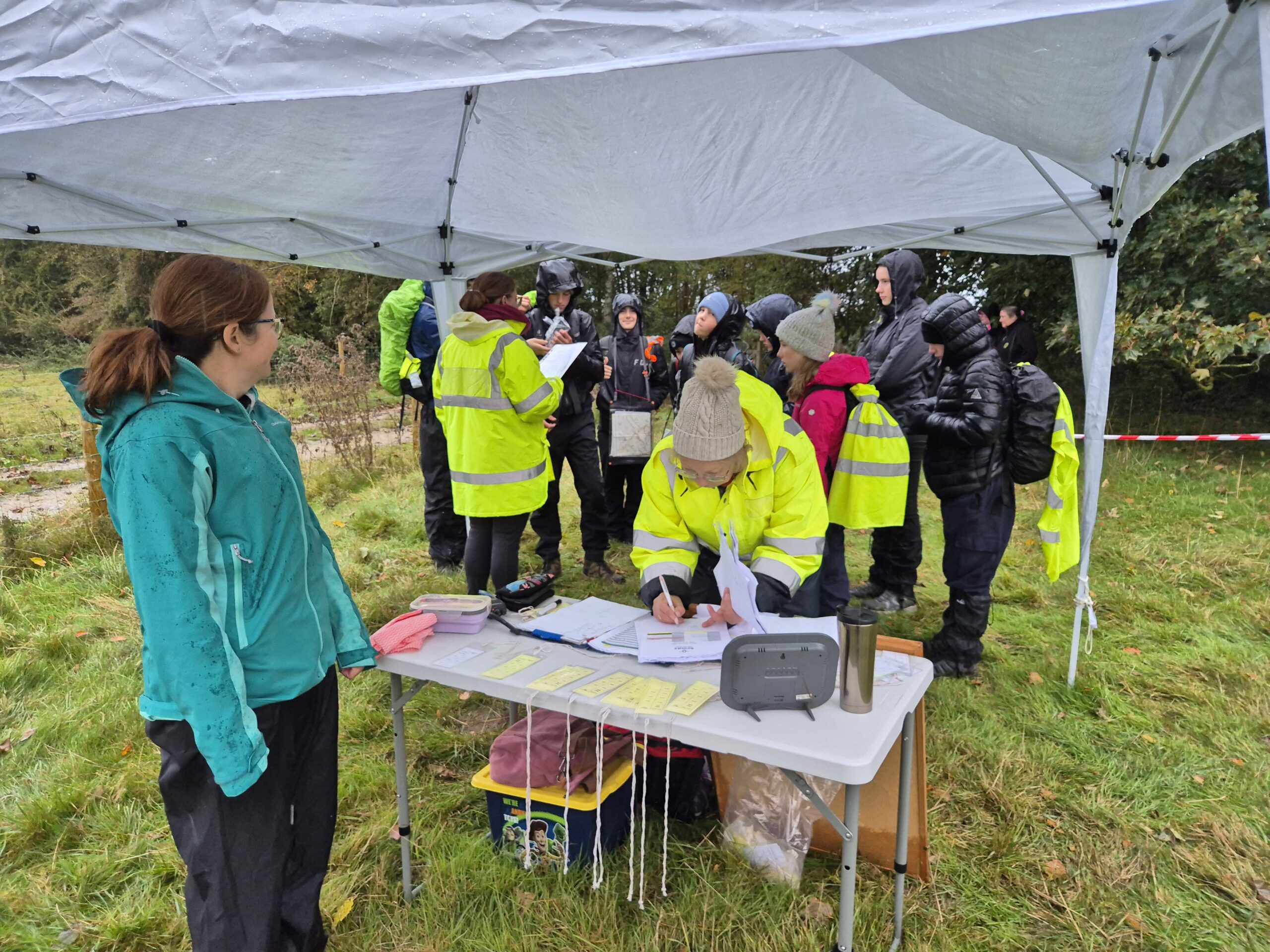
Once Teams have successfully completed Map Control on Friday night and Kit Check on Saturday morning, they will visit the Start Checkpoint.
From this point onwards they become the responsibility of Event Control.
Start Checkpoint
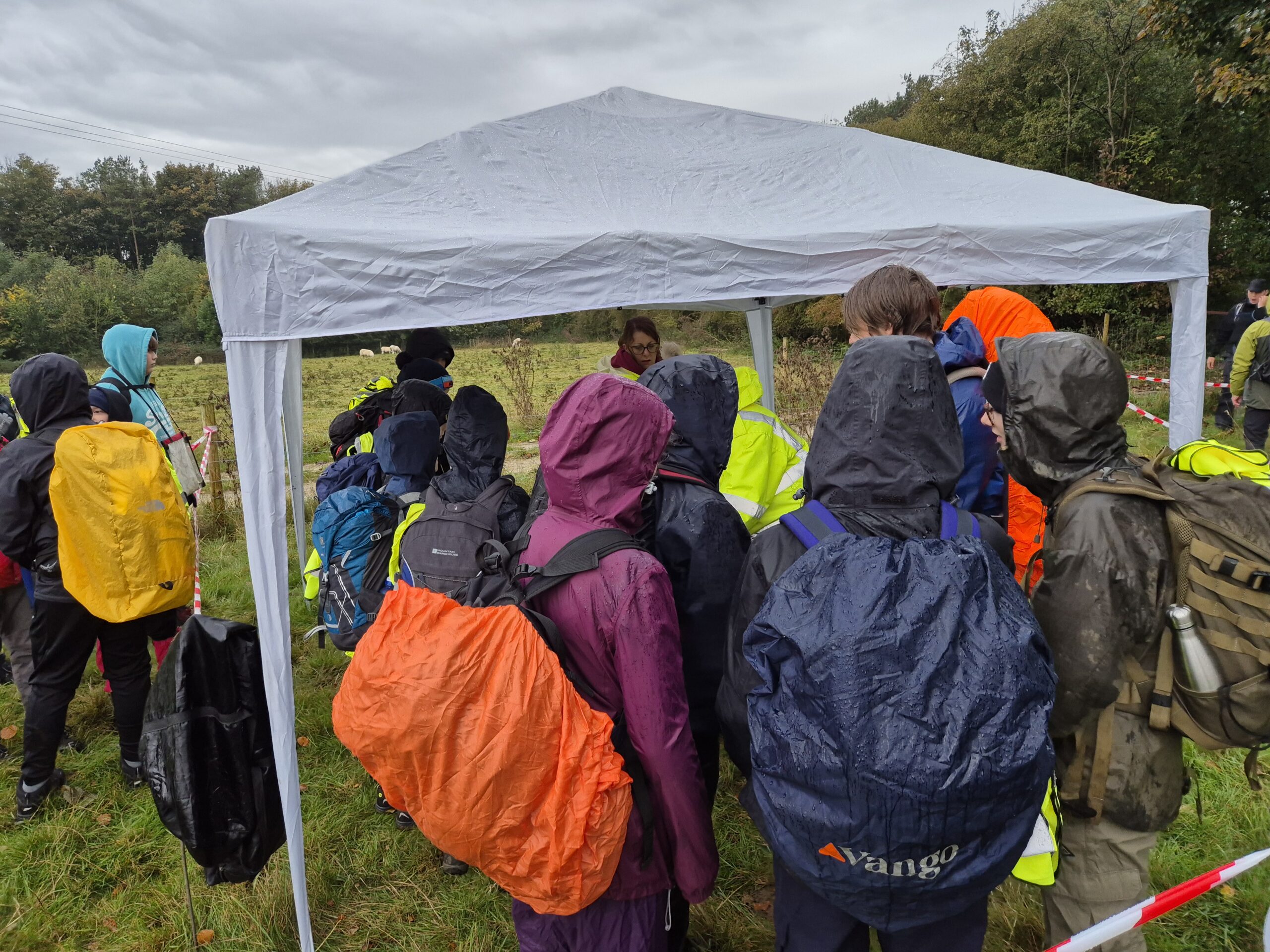
Here all Teams will need to listen to and understand the safety briefing.
Here you will be issued with your Team’s tally, which is to be kept
on your Team at all times during the event and needs to punched with the
orienteering clips at each Checkpoint.
The clock will then start once the Checkpoint staff tell you your Team may set off!
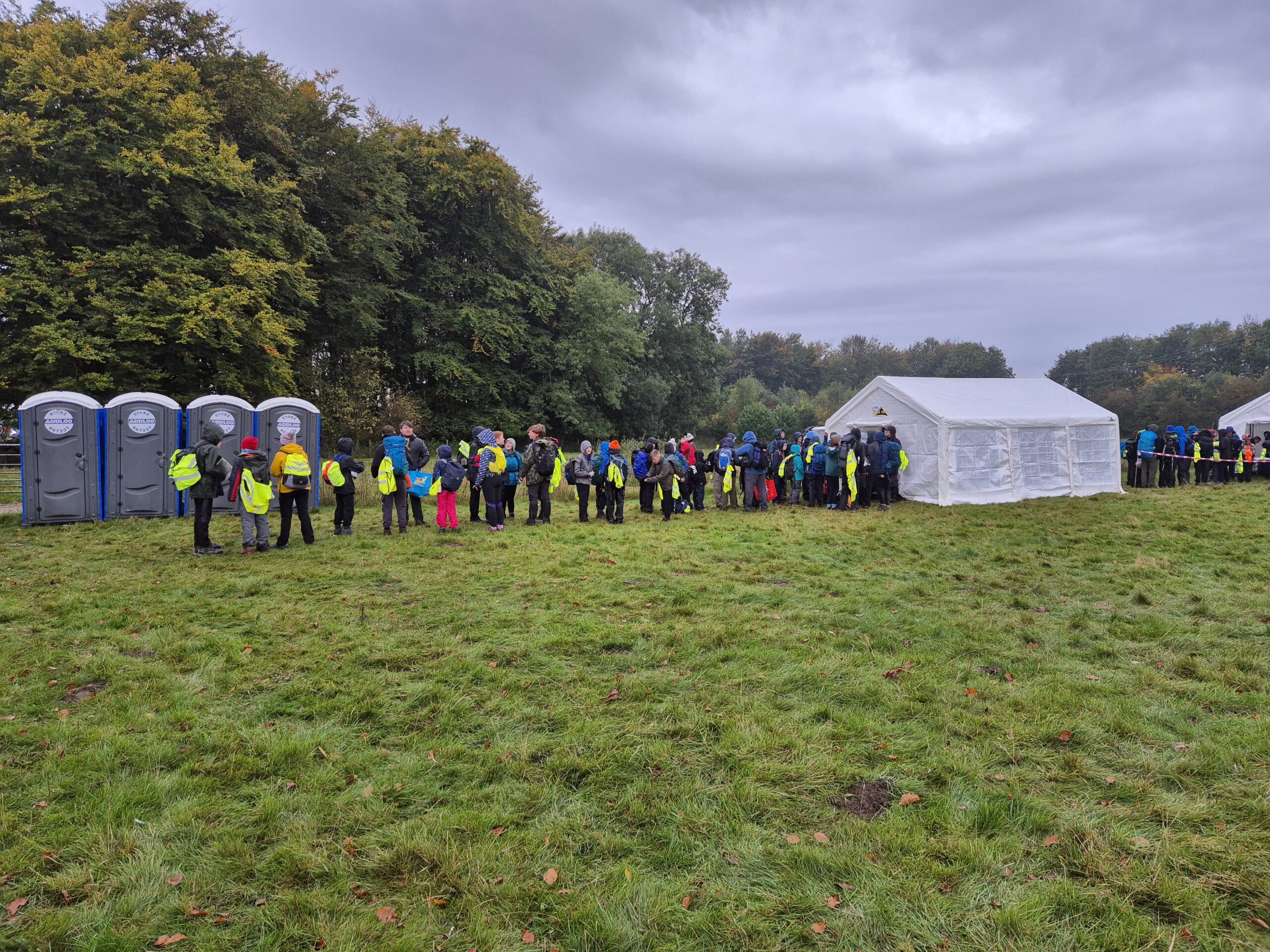
Saturday Night
On the Saturday night teams are expected to be self-sufficient and
leaders are not permitted on the overnight site. The overnight site is
usually a temporary one set up specifically for the event. Toilets and
drinking water supplies are provided.
The Fells Marathon Organisers will provide a camp site team to act as
a warden and deal with any emergencies. The Leader in Charge of the
team will have an appropriate Nights Away permit.
Teams stay on the site based on the “Event Passport” system. (See POR 9.61). This must be filled in and signed by an appropriate leader prior to the event.
The group or unit is responsible for issuing the Event Passport which
must be authorised by a Nights Away Permit Holder of either campsite or
lightweight camping categories. The permit holder must provide support
during both the preparation and the event itself. They must be
satisfied that the young person has the required abilities, but are not
required to attend the event.
Groups must use the standard Event Passport document (below) signed by a leader with a Camp Site Nights Away Permit present, and who can be available to help should they be required.